As cities continue to expand and concrete landscapes increasingly replace natural habitats, conversations around biodiversity often remain confined to forests, national parks, and remote ecosystems. Yet, biodiversity exists just as vibrantly within urban spaces – in the trees lining busy streets, in birds nesting between buildings, in mangroves surviving along coastlines, and in countless species quietly adapting to life alongside humans. Recognizing the urgency of these conversations, the IQAC of Deviprasad Goenka Management College of Media Studies (DGMC), in collaboration with the Wildlife Conservation Society – India, organized an engaging session titled “Understanding Urban Biodiversity and the Role of Communication in Shaping Narratives about Wildlife” on 10th February 2026.
The session brought together an accomplished panel comprising Keren Pereira, Dipti Humraskar, Nikit Surve, and Virat Singh, each offering unique perspectives on conservation, research, and communication. What made the discussion particularly compelling was the way it challenged conventional ideas about wildlife and environmentalism. Instead of viewing nature as something distant from urban life, the speakers emphasized that cities themselves are ecosystems – complex, dynamic spaces where humans and wildlife constantly interact, often without realizing it.
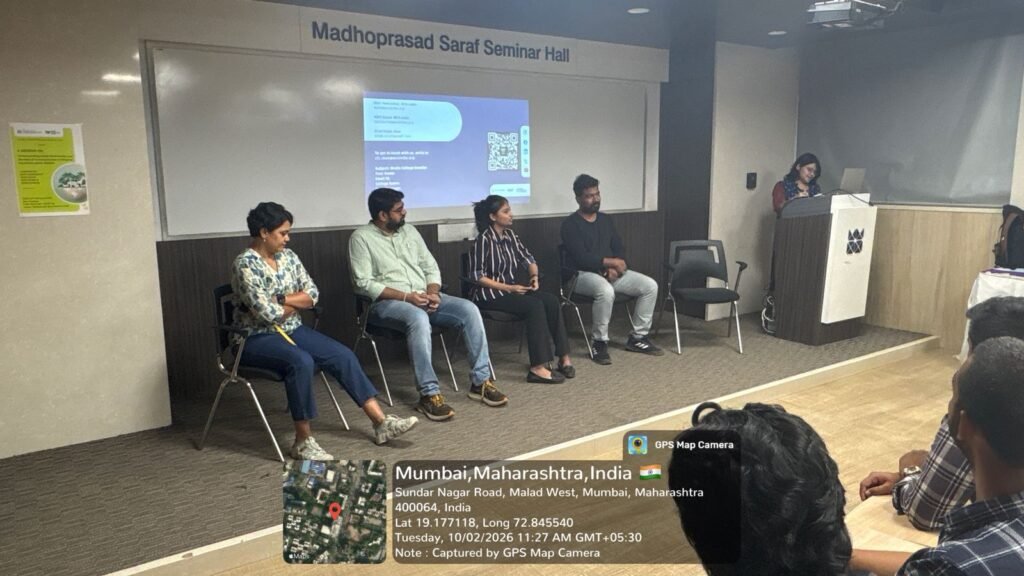
The conversation explored how urban biodiversity is frequently overlooked because of the narratives surrounding development and modernity. In rapidly growing cities, environmental concerns are often seen as secondary to infrastructure and expansion. However, the session highlighted how the disappearance of green spaces, pollution of water bodies, and loss of habitats directly affect not only wildlife but also the quality of human life. Biodiversity, as discussed during the session, is not merely about protecting animals; it is deeply connected to climate resilience, mental well-being, ecological balance, and sustainable urban living.
A particularly thought-provoking aspect of the discussion centred on the role of communication in shaping public understanding of wildlife and conservation. Stories, media representation, documentaries, journalism, and digital platforms all influence the way society perceives environmental issues. The speakers reflected on how wildlife narratives are often dominated by fear, sensationalism, or distance, while everyday ecological realities within cities receive far less attention. By changing the way stories are told, communication has the power to create empathy, awareness, and a stronger sense of coexistence between people and nature.
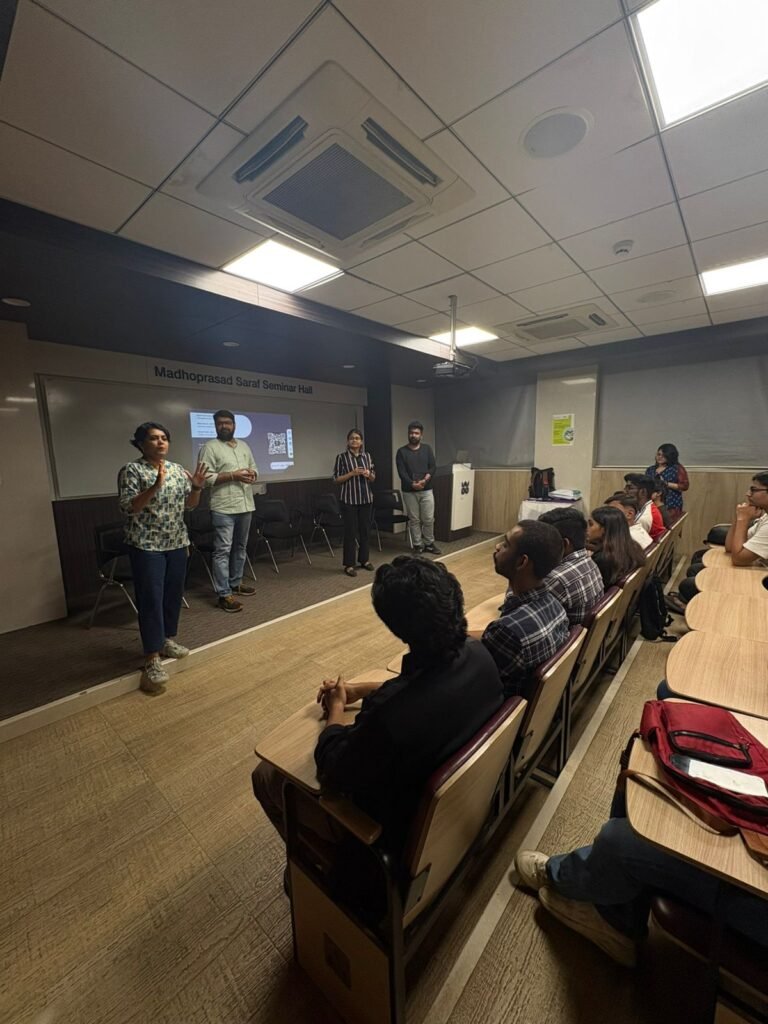
The session also shed light on the importance of responsible storytelling in the age of digital media. In a world driven by rapid information sharing, the language and framing used in environmental communication can shape public attitudes in profound ways. Whether through journalism, social media campaigns, photography, films, or research-based storytelling, narratives have the ability to influence collective action and inspire meaningful engagement with conservation efforts.
What stood out throughout the event was the seamless intersection between media studies and environmental awareness. The discussion moved beyond scientific facts and statistics, instead encouraging a broader reflection on how culture, communication, and public discourse influence ecological consciousness. The session served as a reminder that conservation is not solely the responsibility of scientists and activists—it is also deeply connected to storytellers, communicators, filmmakers, writers, and media professionals who shape the conversations society chooses to value.
By the end of the session, the idea of urban biodiversity no longer seemed abstract or distant. Instead, it emerged as something immediate, visible, and deeply woven into everyday life. The event succeeded in opening up an important dialogue about coexistence, responsibility, and the role of communication in creating a more environmentally aware society. More than just a discussion on wildlife, it became a reflection on the kind of future cities hope to build – one where development and nature are not seen as opposites, but as forces that must learn to coexist.