Welcome to Deviprasad Goenka Management College of Media Studies
AUTONOMOUS - NAAC Accredited with a B+ Grade and a CGPA of 2.65 in the First Cycle - Affiliated to University of Mumbai
Horizontal Scroll Ticker
AICTE Approved Bachelor of Management Studies Course (BMS) Available -
Enquire today!
Admission Schedule for B.M.S. under AICTE shall be declared after the result of entrance examination conducted by CET Cell, Government of Maharashtra.
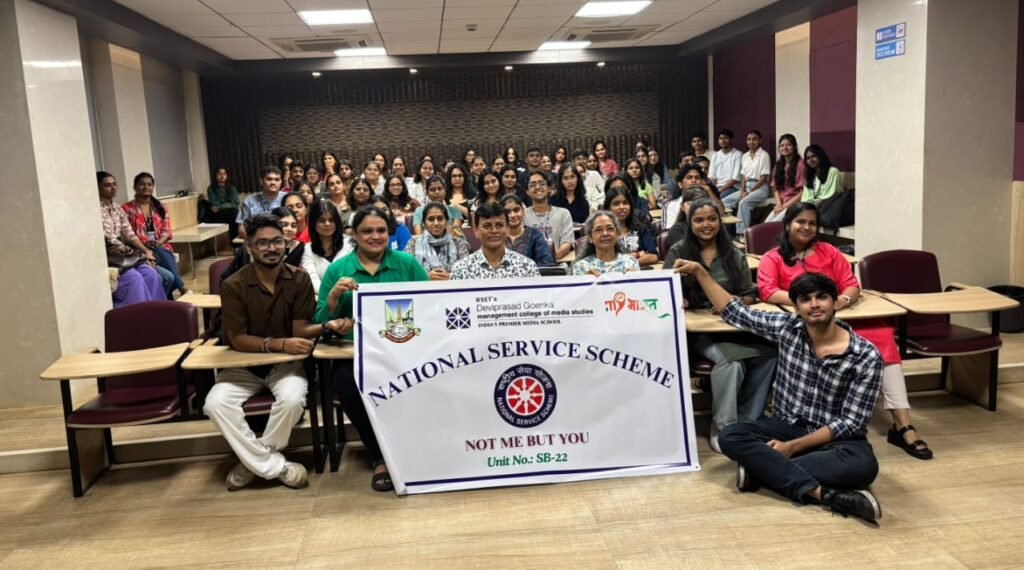
The National Service Scheme (NSS) Unit, SB-22
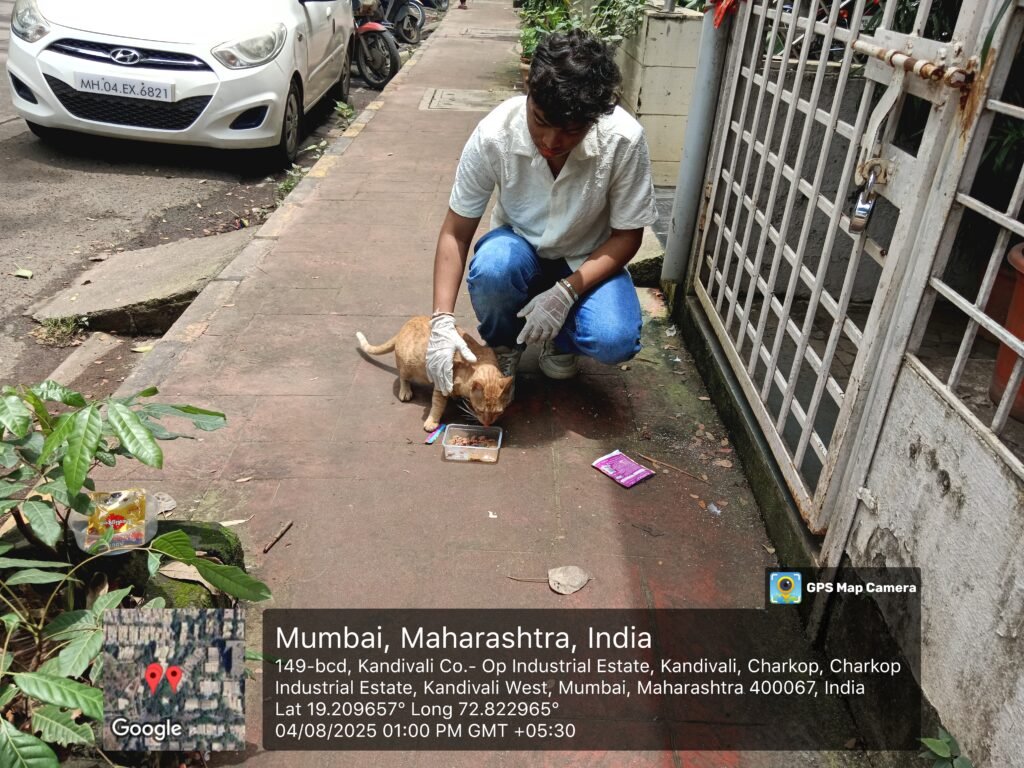
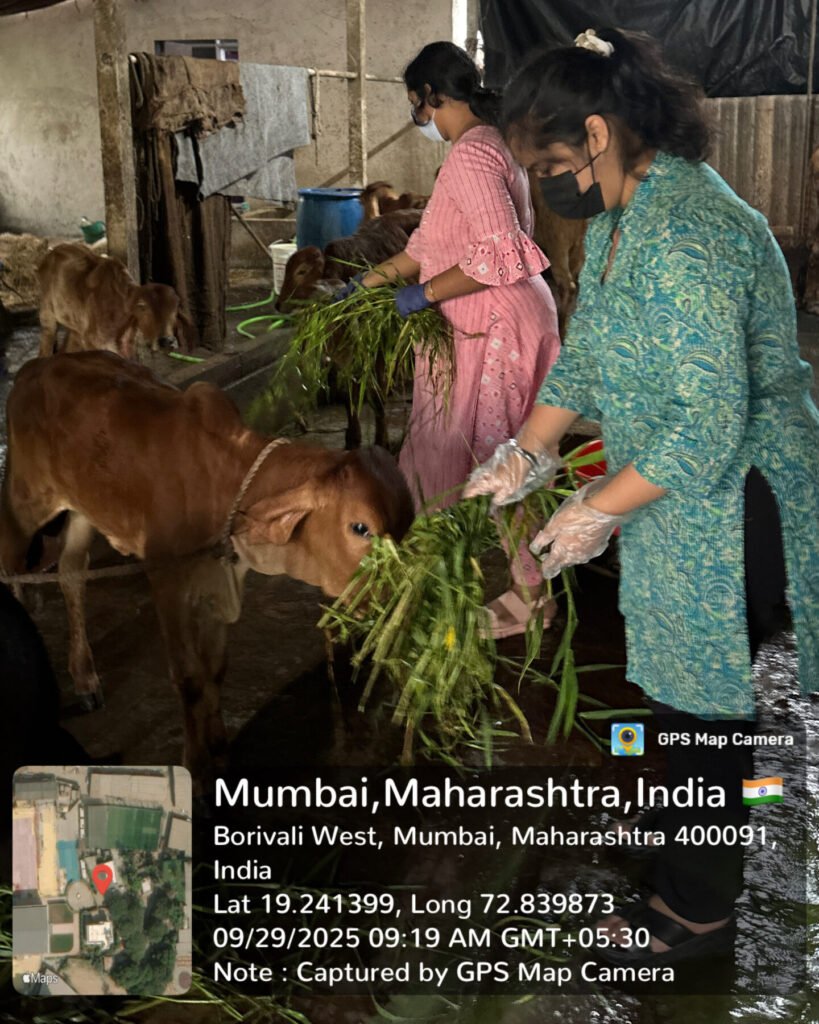
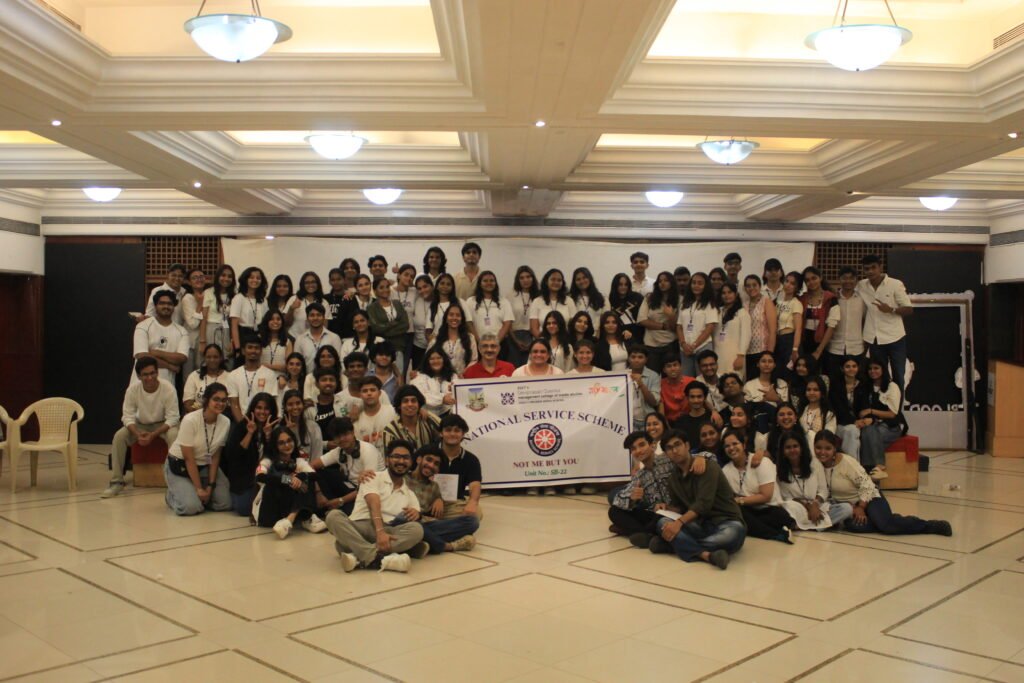
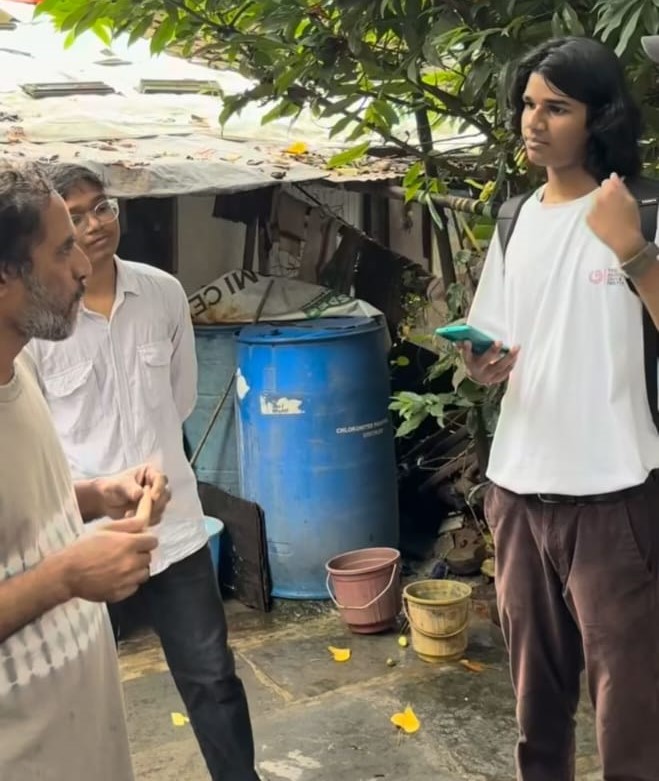
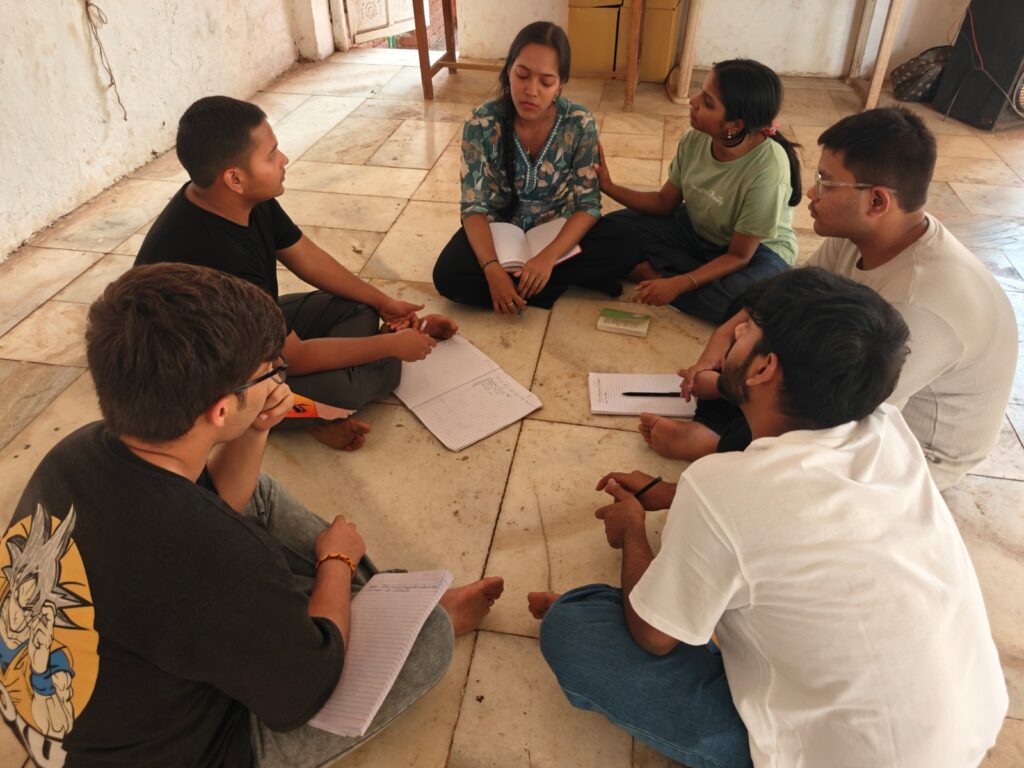
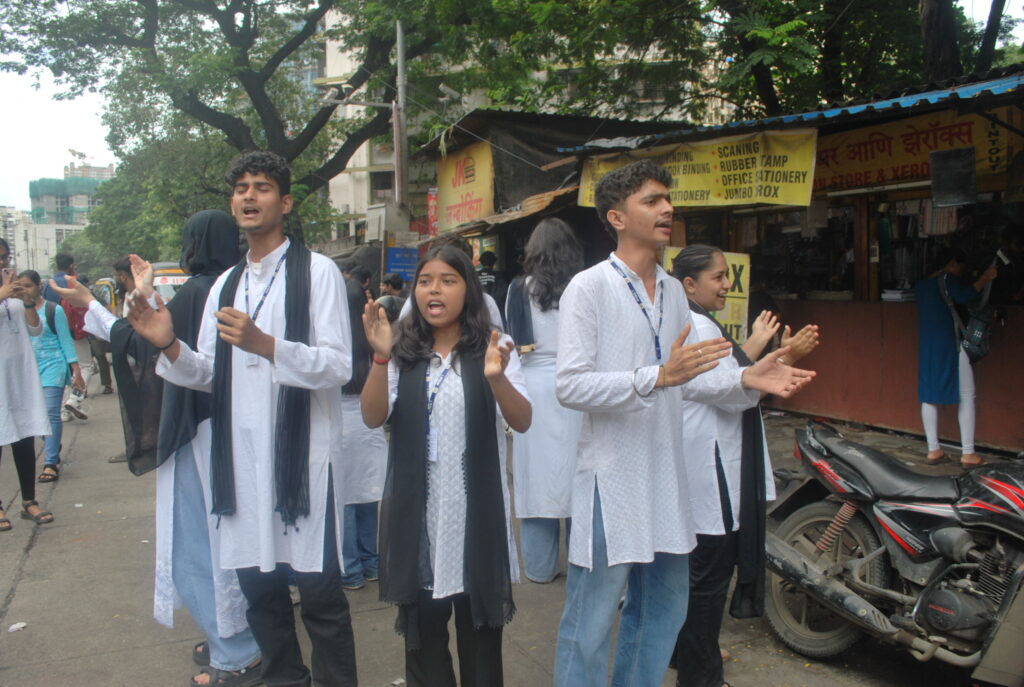
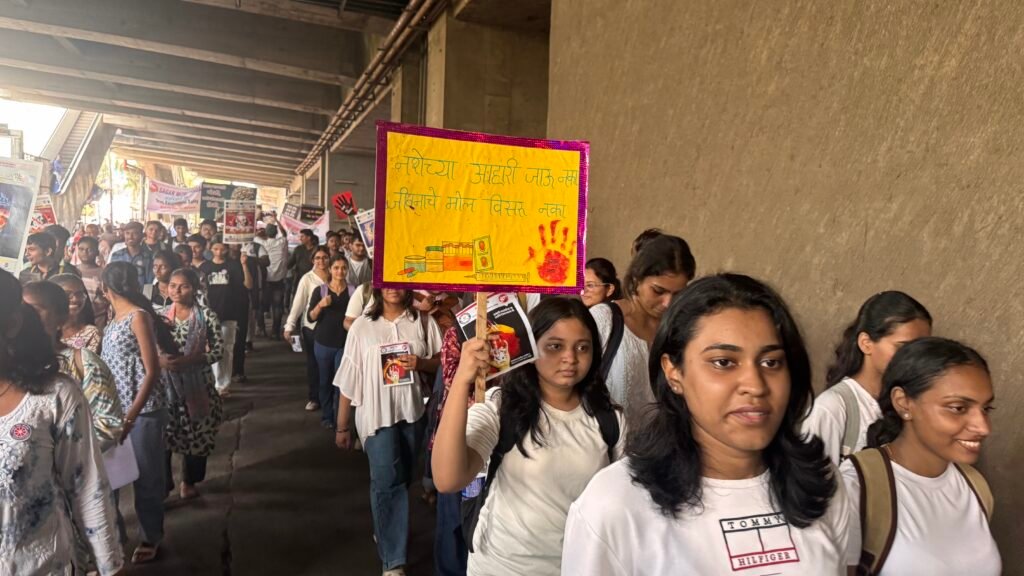
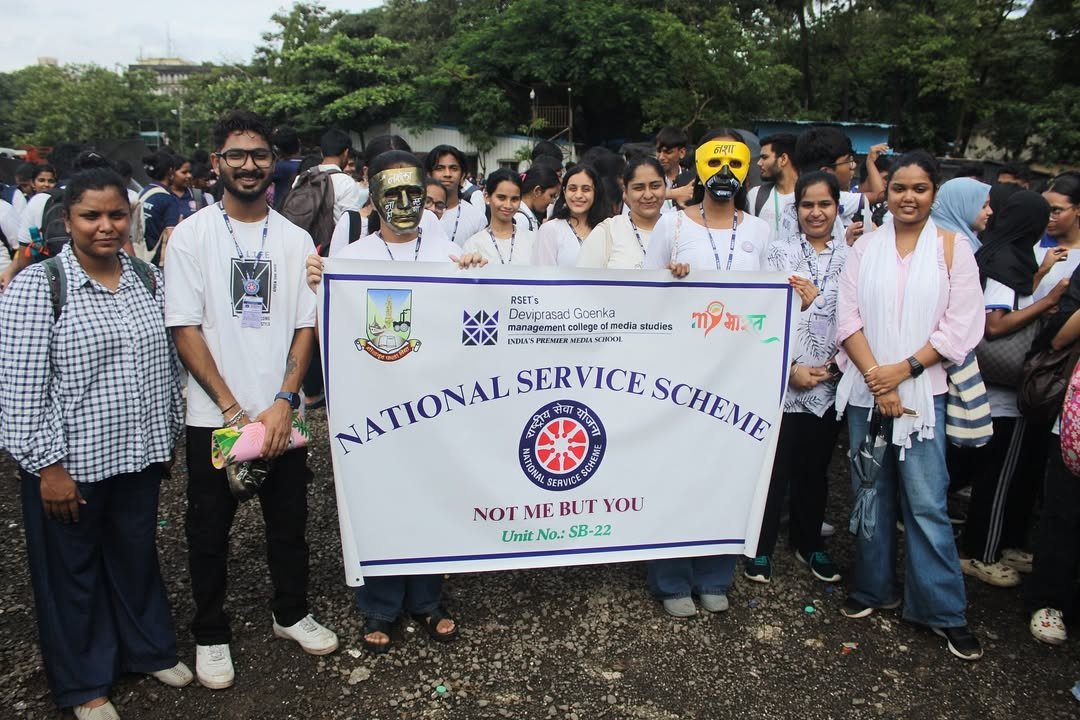
The National Service Scheme (NSS) Unit, SB-22 of RSET’s Deviprasad Goenka Management College of Media Studies (DGMCMS) has consistently upheld the spirit of social responsibility, youth participation, and community engagement through a remarkable series of initiatives conducted over the academic year. Guided by the NSS motto, “Not Me, But You,” the unit has successfully created a platform where students actively contribute toward societal development while simultaneously experiencing holistic personal growth. The collective documentation of 111 activities conducted by the NSS unit reflects a strong commitment toward nation-building, humanitarian service, environmental sustainability, inclusivity, health awareness, and social transformation. Through these initiatives, students were encouraged to move beyond theoretical learning and engage directly with communities, social concerns, and pressing public issues, thereby developing empathy, leadership, and civic consciousness.
The NSS unit organized a wide range of programs focusing on health, education, environmental conservation, social awareness, inclusivity, and youth development. Among the numerous impactful initiatives undertaken during the year, the blood donation drives, beach clean-up campaigns, sign language workshop, visits to schools for auditory-challenged students, menstrual literacy awareness programs, good touch and bad touch awareness sessions, and Mpox awareness campaigns emerged as some of the most meaningful and socially relevant activities conducted by the unit. These initiatives not only created awareness among communities but also empowered students to become responsible and compassionate citizens capable of contributing positively to society.
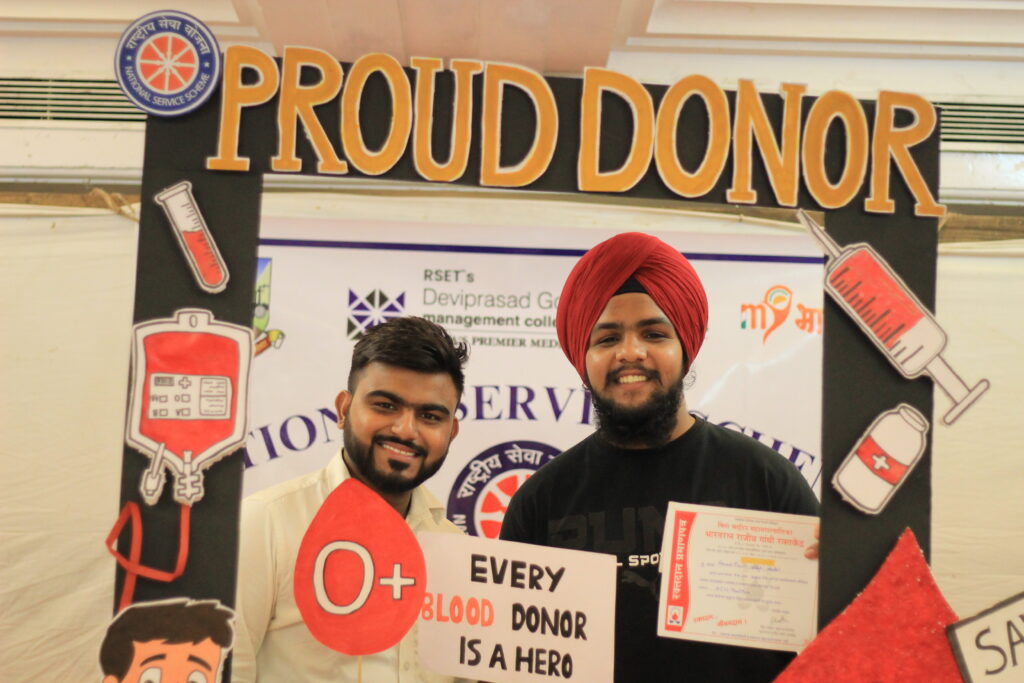
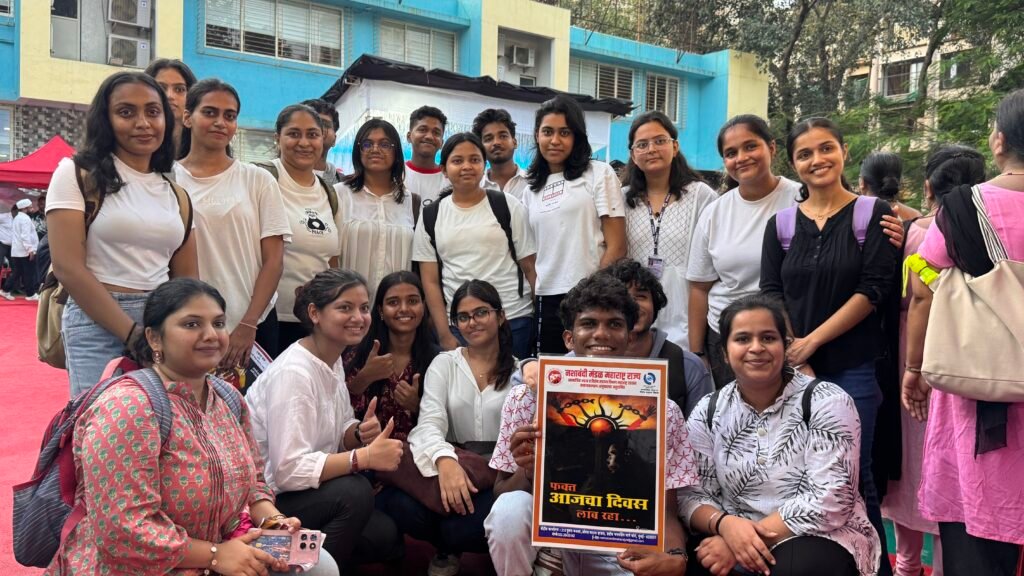
One of the most impactful and socially significant initiatives conducted by the NSS unit was its consistent effort toward promoting blood donation awareness and organizing Blood Donation Drives. Understanding the critical importance of voluntary blood donation in saving lives and supporting healthcare systems, the NSS unit undertook several awareness campaigns aimed at educating students and community members about the value of donating blood. These programs addressed common misconceptions, fears, and myths associated with blood donation while also spreading awareness regarding eligibility, safety measures, and the urgent need for regular blood donors in hospitals and emergency situations.
The blood donation drives witnessed active participation from students, faculty members, and volunteers, demonstrating the collective spirit of humanitarian service within the institution. NSS volunteers played an essential role in coordinating the camps, managing registrations, guiding donors, and motivating individuals to participate in this noble cause. The initiatives encouraged many first-time donors to step forward and contribute toward saving lives, thereby fostering a culture of compassion, empathy, and civic responsibility among youth. These campaigns not only strengthened healthcare support systems but also highlighted the ability of educational institutions to contribute meaningfully to public welfare through collective action and awareness.
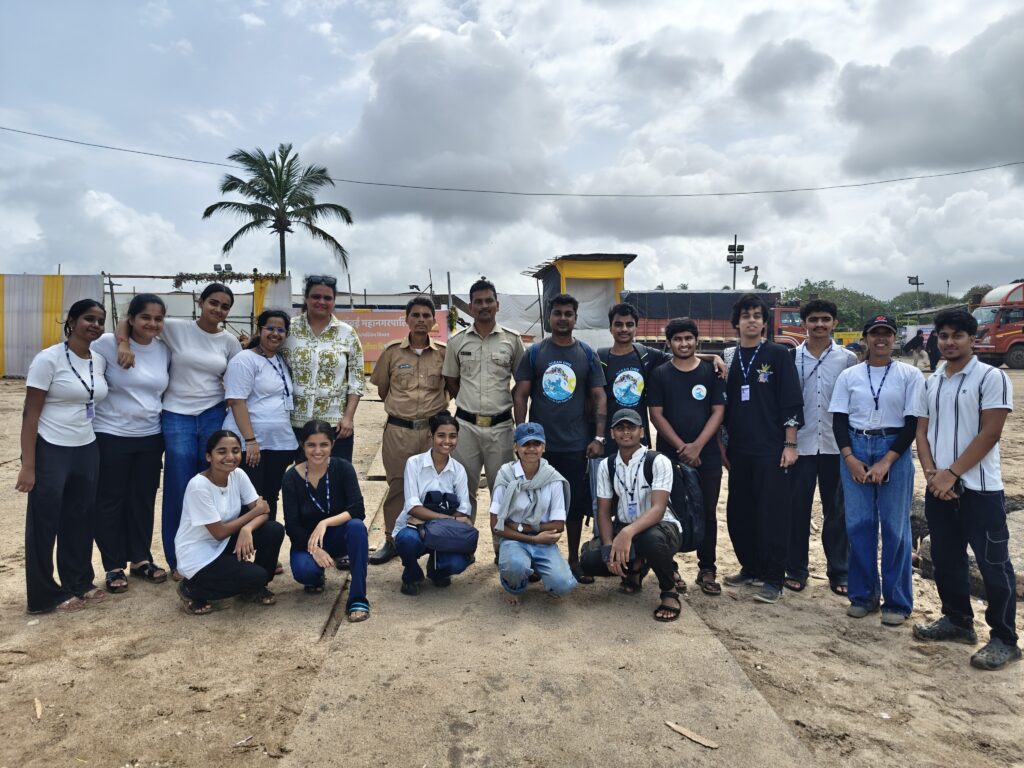
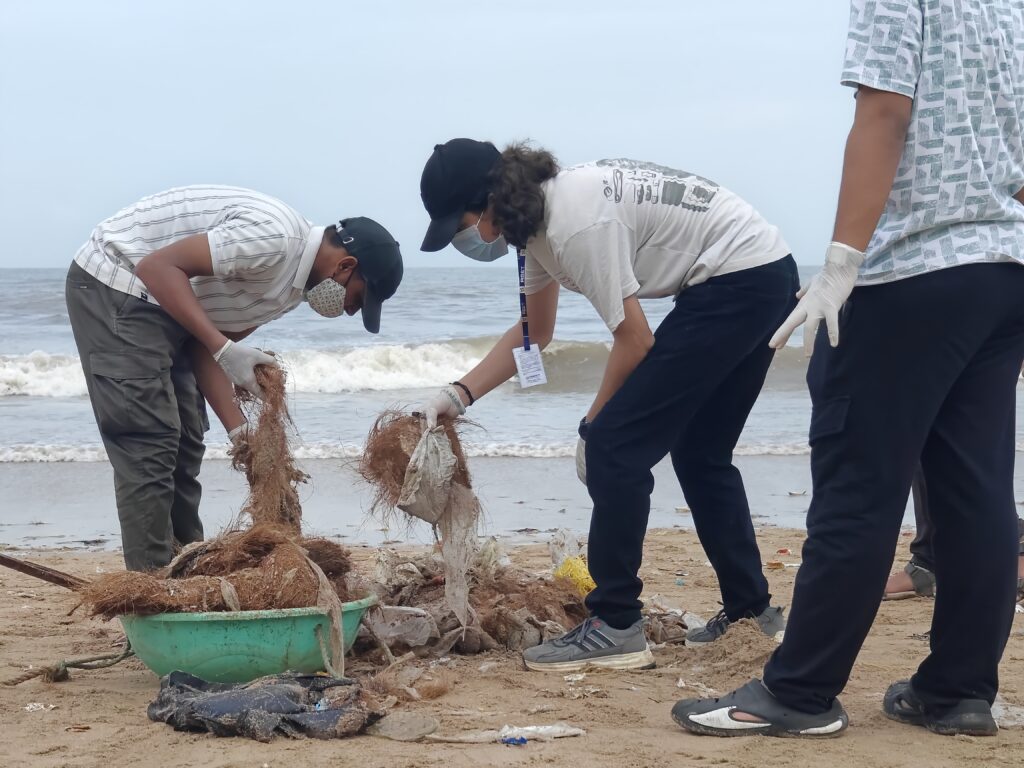
Environmental sustainability formed another major pillar of the NSS unit’s activities, particularly through the large-scale beach clean-up drives organized by the volunteers. Recognizing the growing environmental challenges posed by pollution, plastic waste, and improper waste disposal, the NSS unit actively mobilized students to participate in coastal clean-up campaigns aimed at preserving marine ecosystems and public spaces. Volunteers enthusiastically engaged in collecting plastic waste, segregating garbage, and spreading awareness regarding responsible waste management and sustainable living practices.
One of the most noteworthy achievements of these environmental initiatives was the successful collection of nearly 5-6 tons of beach waste, an extraordinary accomplishment that received recognition and appreciation from the wider community. The dedication and efforts of the NSS volunteers gained significant public attention and were featured in the newspaper Khabre Aaj Tak, bringing recognition to the impactful work carried out by the students of DGMCMS. This media coverage not only highlighted the environmental contribution of the NSS unit but also served as an inspiration for others to participate actively in conservation efforts. The beach clean-up drives became a symbol of youth-led environmental action, demonstrating how collective responsibility and determination can create visible and meaningful change in society.
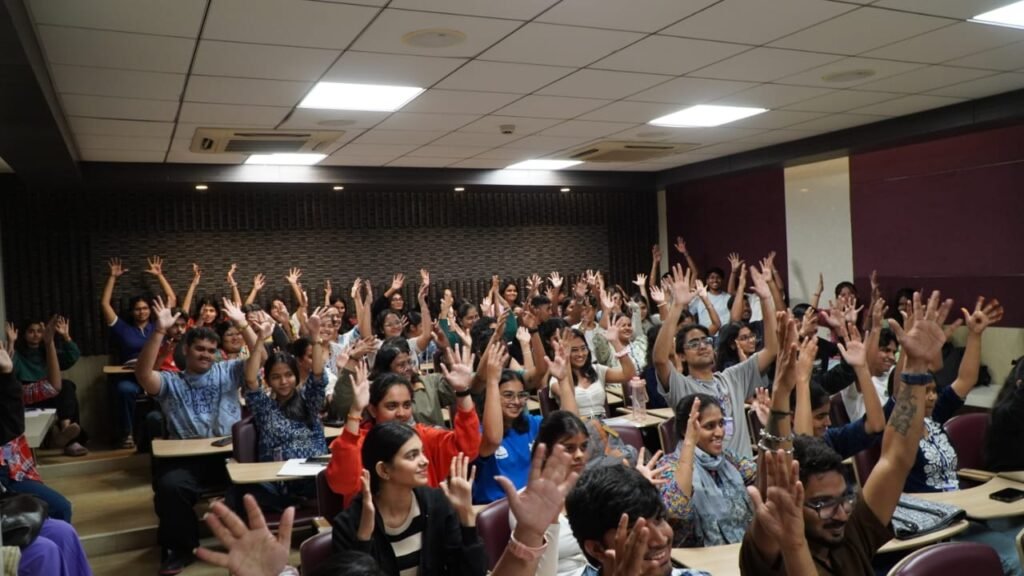
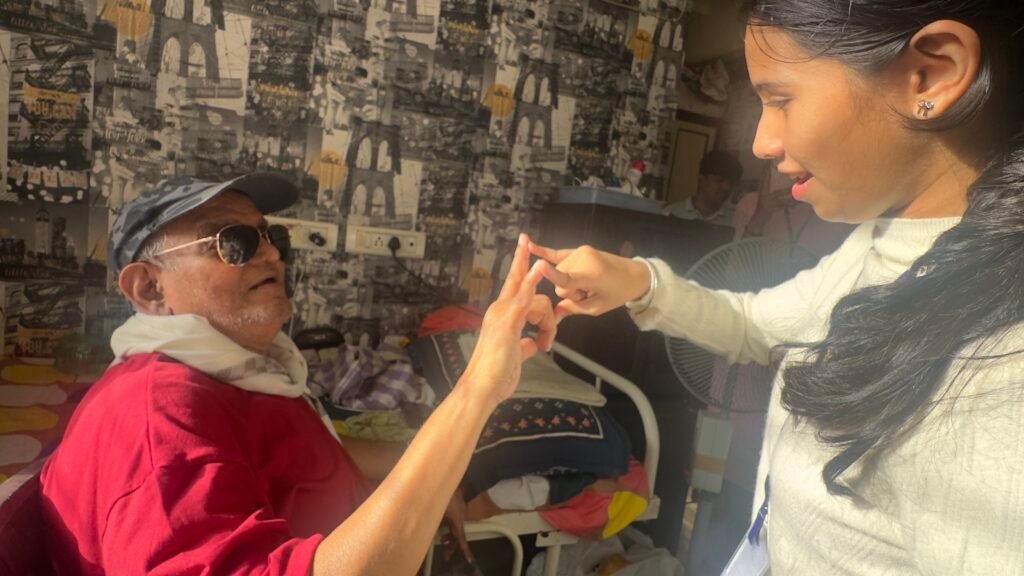
The NSS unit also demonstrated a strong commitment toward inclusivity and accessibility through the organization of a highly impactful sign language workshop. This initiative aimed at sensitizing students toward the communication challenges faced by individuals with hearing and speech impairments while introducing them to the basics of sign language. Through interactive sessions and practical learning activities, students learned various signs, gestures, and communication methods that enabled them to understand the importance of inclusive communication and accessibility in society.
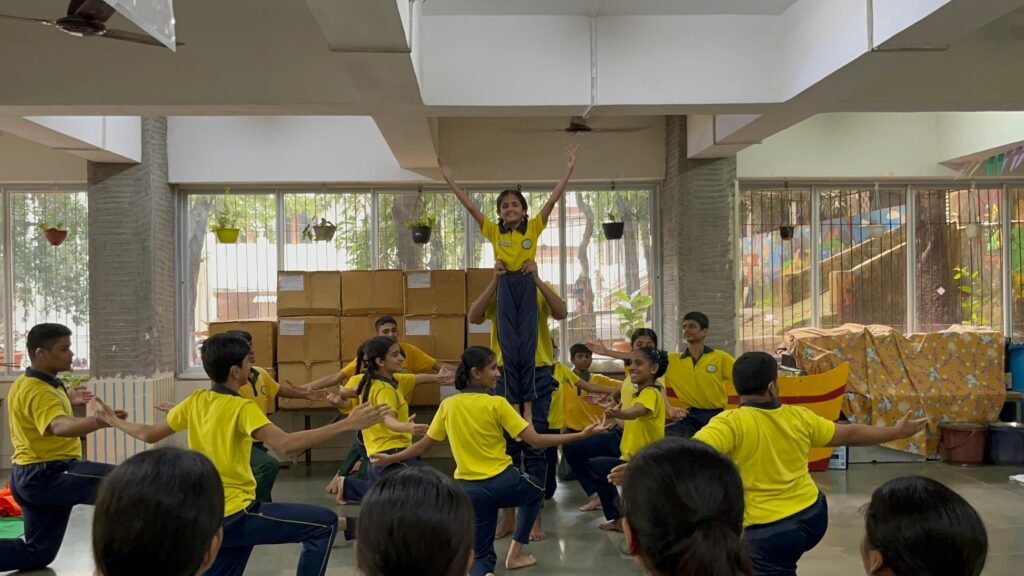
The sign language workshop was further strengthened by the NSS unit’s visit to a school for auditory-challenged students, where volunteers had the opportunity to interact directly with children and educators. This visit proved to be a deeply enriching and emotional experience for students, allowing them to understand the realities, strengths, and challenges faced by differently-abled individuals. The interaction encouraged empathy, patience, and inclusivity among volunteers while also reinforcing the importance of creating environments where every individual feels heard, respected, and valued regardless of physical or communication limitations. These initiatives reflected the NSS unit’s commitment toward building a more compassionate and inclusive society.
Health awareness and social education formed an important aspect of NSS activities throughout the year. The NSS unit conducted menstrual literacy awareness programs aimed at breaking societal stigma and encouraging open discussions surrounding menstrual health and hygiene. These sessions educated participants on the importance of menstrual hygiene management, health practices, and emotional well-being while promoting awareness regarding the challenges faced by menstruating individuals in society. By addressing a topic that is often surrounded by silence and misconceptions, the NSS unit played a significant role in promoting dignity, awareness, and gender sensitivity among students and community members.
Another crucial initiative undertaken by the NSS unit was the organization of Good Touch and Bad Touch awareness programs for children. These sessions were designed to educate young individuals about personal safety, body autonomy, and the importance of recognizing inappropriate behavior. Through age-appropriate communication methods and interactive activities, the program empowered children with essential knowledge regarding personal boundaries and encouraged them to speak up in uncomfortable situations. This initiative reflected the NSS unit’s dedication toward child safety, protection, and awareness while contributing toward the creation of safer and more informed communities.
The NSS unit also responded proactively to emerging public health concerns through its Mpox awareness campaigns. Recognizing the importance of timely education and preventive awareness during health-related outbreaks, volunteers conducted sessions aimed at informing students and communities about Mpox symptoms, preventive measures, hygiene practices, and the importance of avoiding misinformation. These campaigns played an essential role in spreading factual knowledge and promoting responsible health practices during a time of public concern.
Apart from these highlighted initiatives, the NSS unit conducted numerous activities addressing a wide range of social, educational, and developmental issues. Health and wellness programs, including mental health awareness workshops, yoga sessions, stress management seminars, and nutrition awareness campaigns, contributed toward promoting physical and emotional well-being among students and communities. Environmental initiatives beyond beach clean-ups included tree plantation drives, recycling awareness campaigns, and plastic reduction programs that encouraged sustainable habits and ecological responsibility.
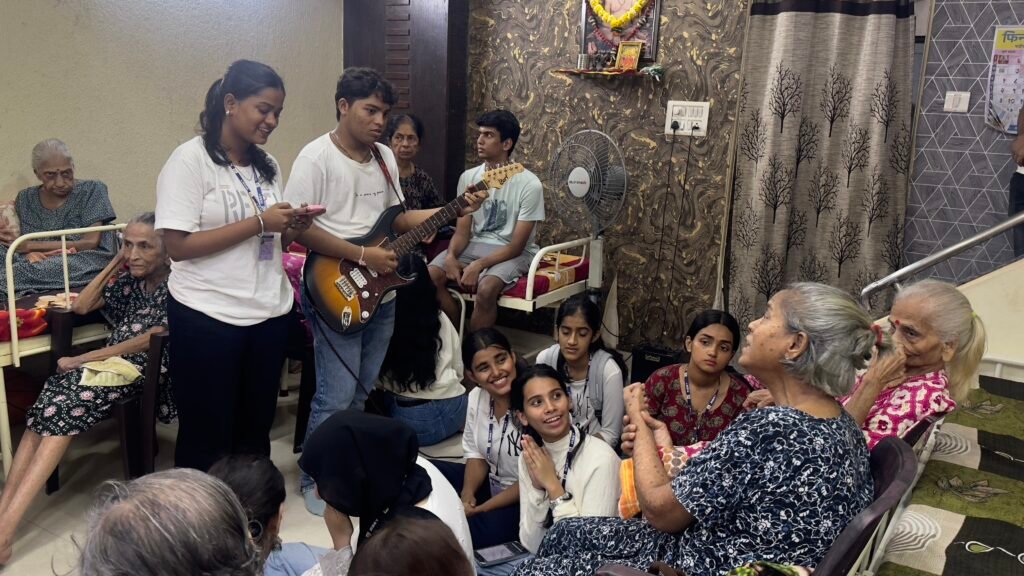
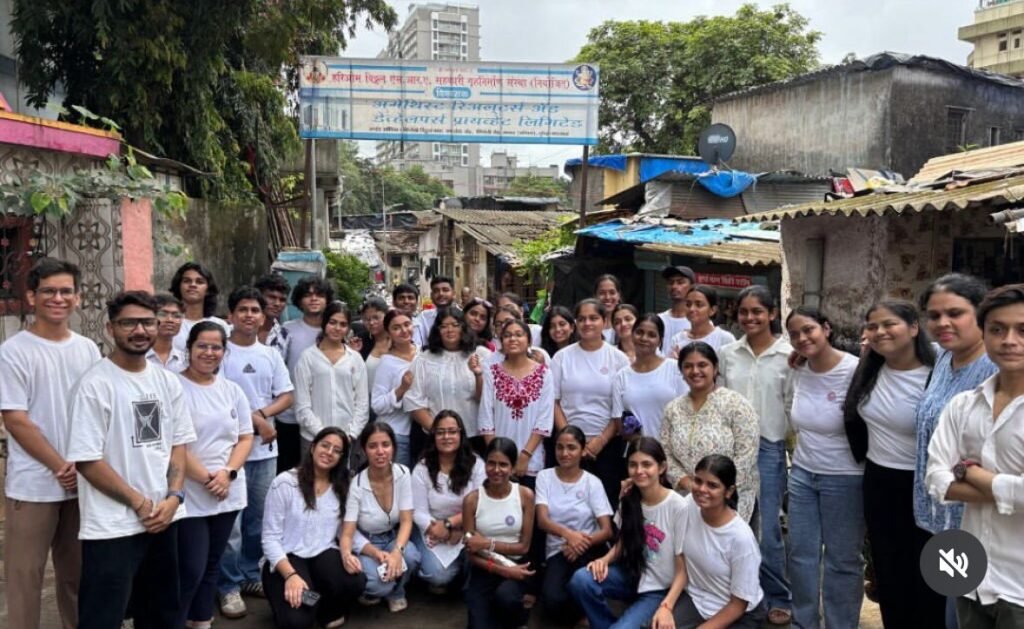
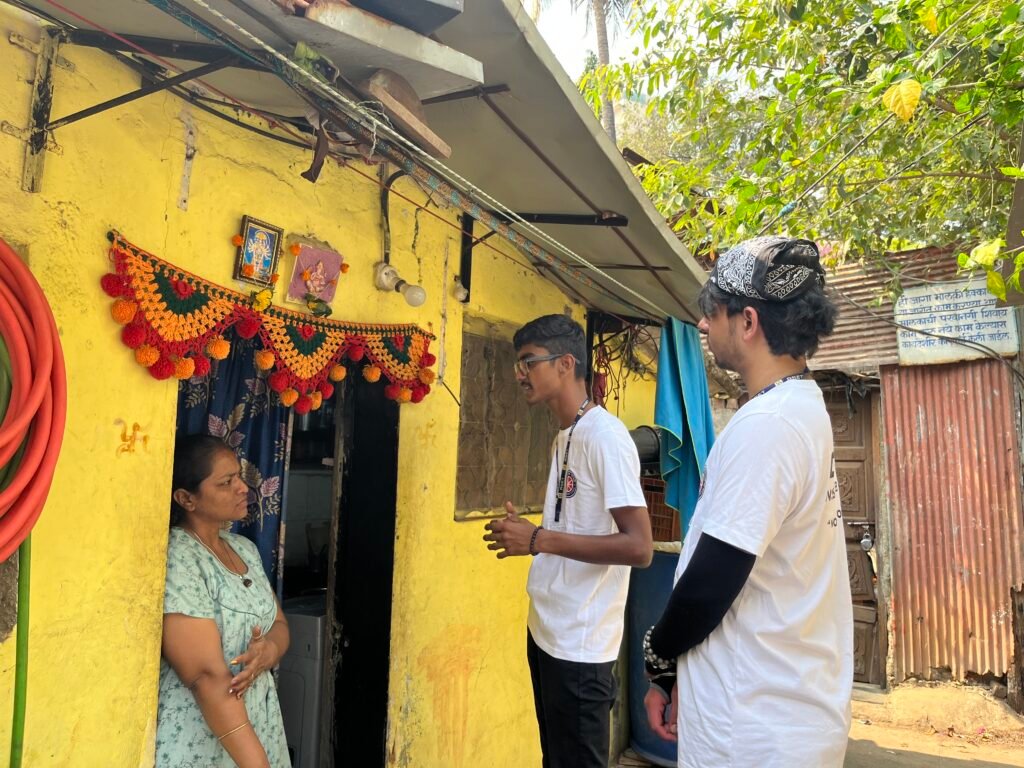
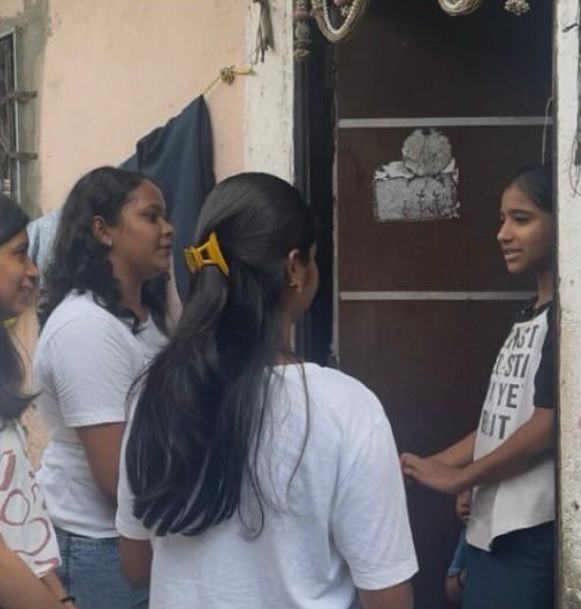
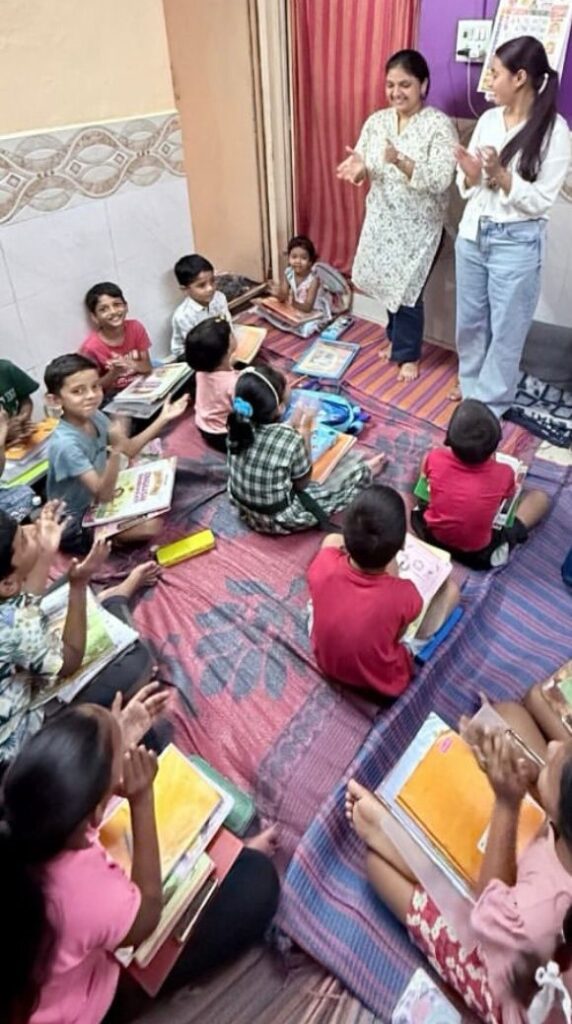
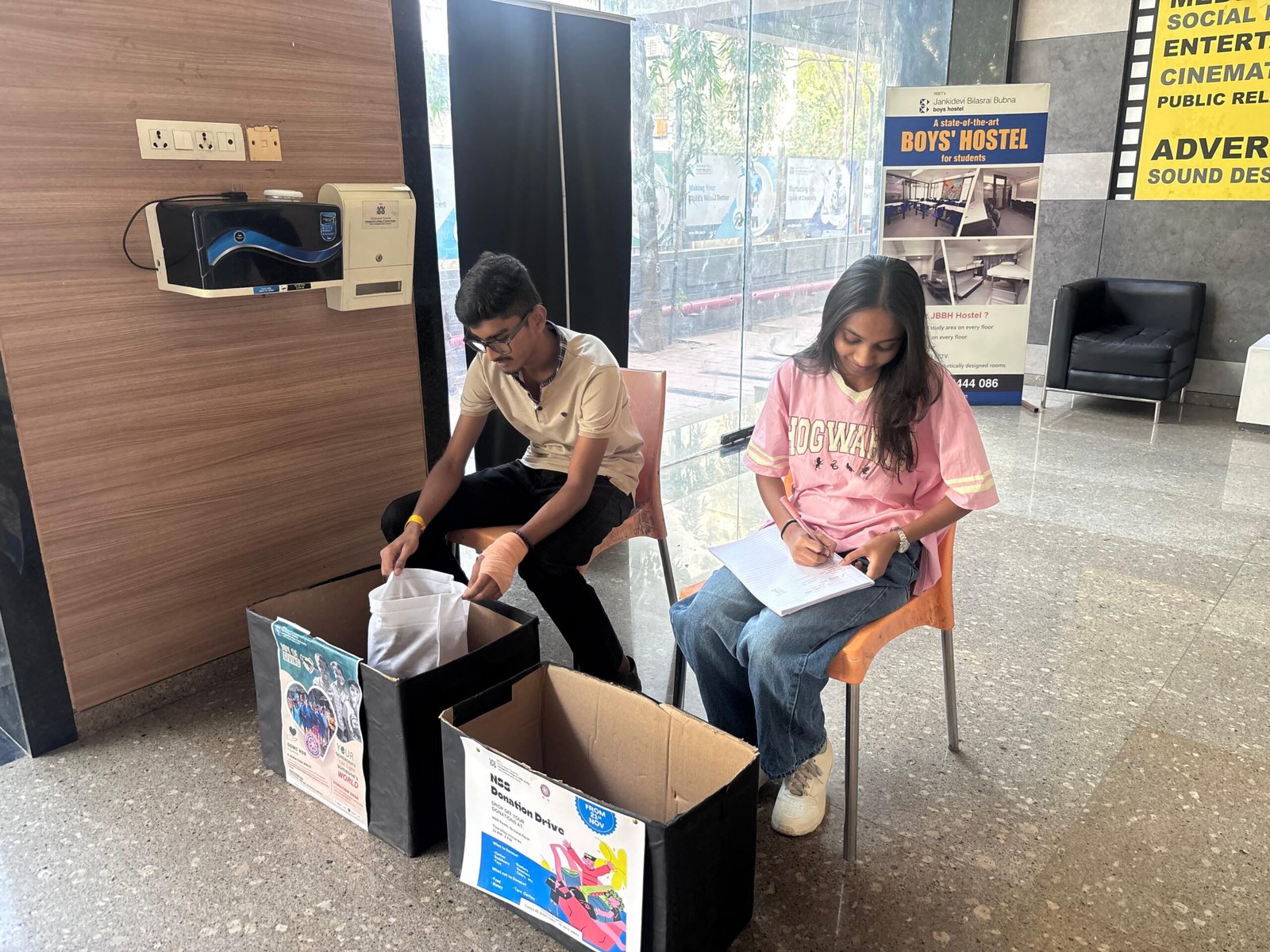
Community outreach activities formed an integral component of NSS functioning, with volunteers participating in donation drives, orphanage visits, NGO collaborations, educational support programs, and community awareness campaigns. Students actively engaged in teaching underprivileged children, distributing essential resources, and supporting marginalized communities through meaningful interaction and service. Digital literacy workshops and career guidance sessions further empowered individuals with skills and knowledge necessary for personal and professional growth in an increasingly digital society.
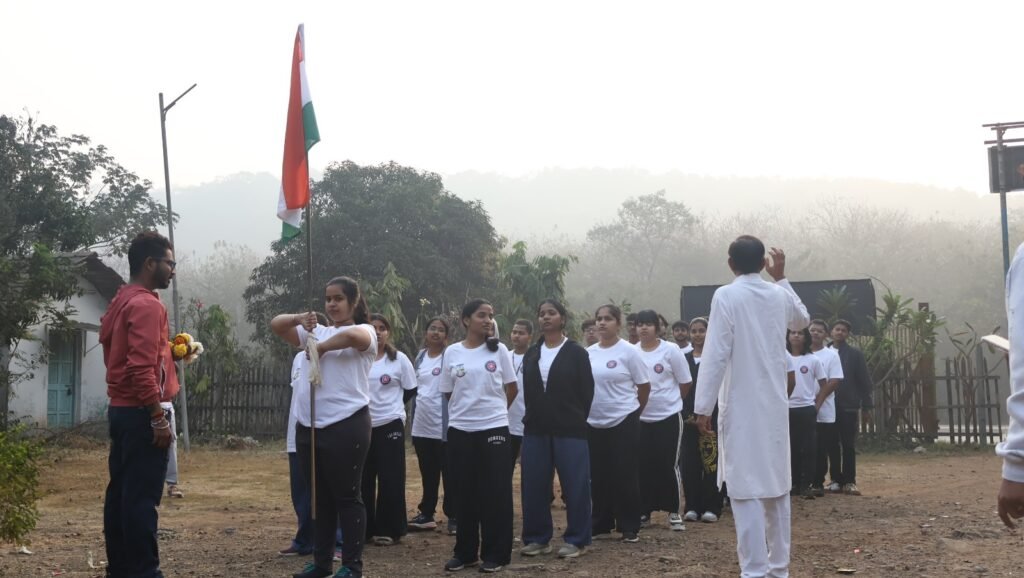
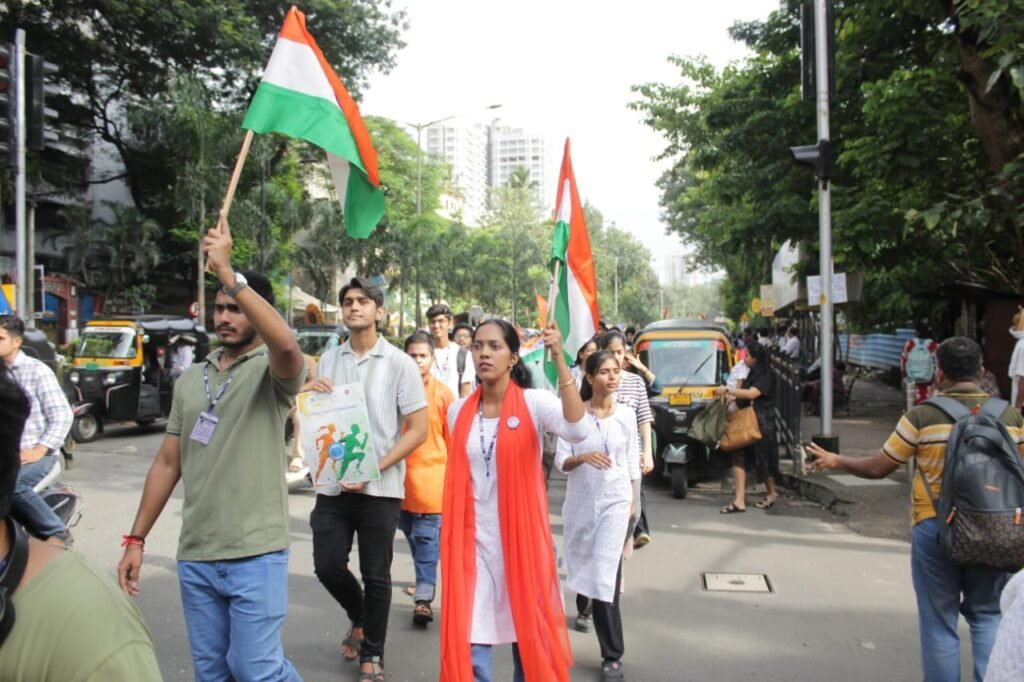
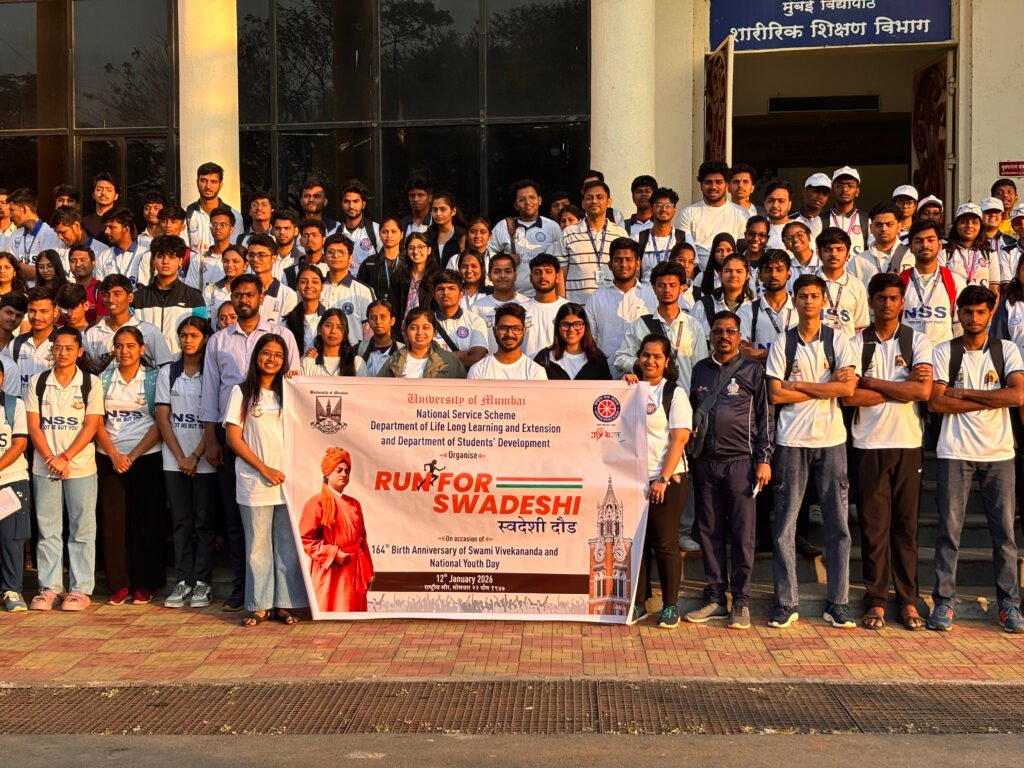
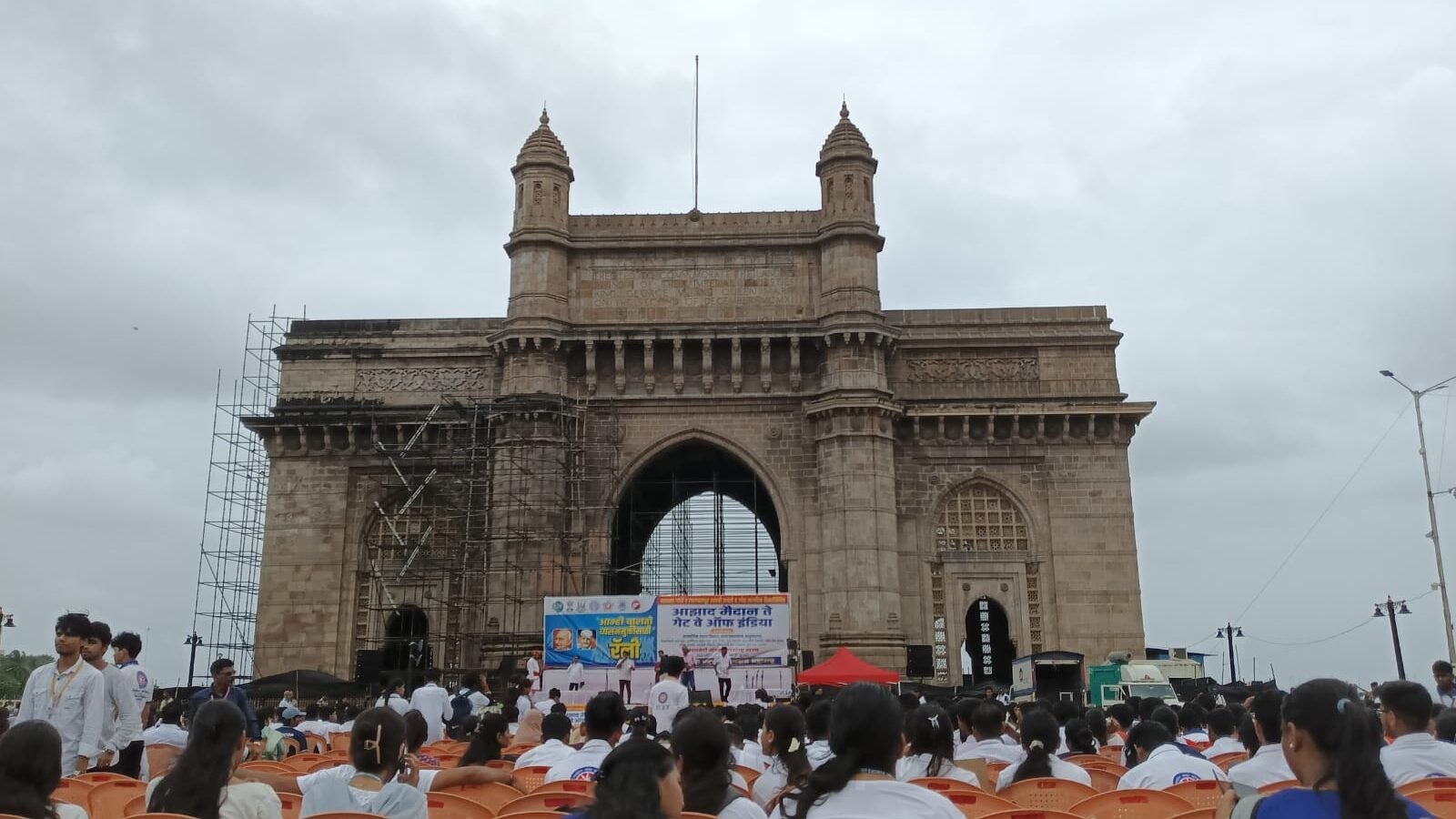
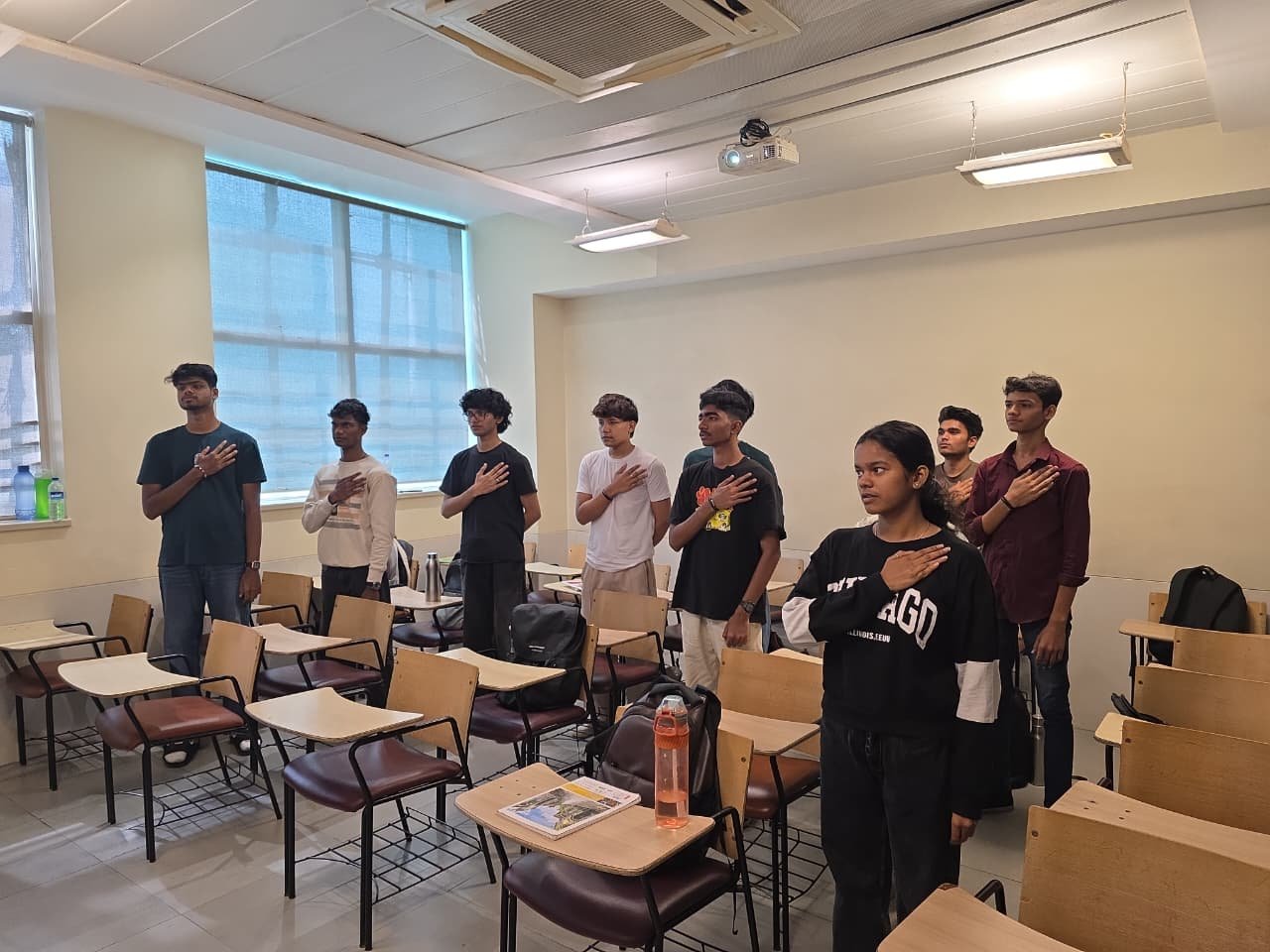
The NSS unit also organized programs focusing on women empowerment, gender equality, self-defense, anti-drug awareness, road safety, civic responsibility, and national integration. Celebrations of national days and participation in awareness rallies strengthened students’ understanding of citizenship, democratic values, and social harmony. Skill development workshops on communication, leadership, entrepreneurship, media literacy, and public speaking contributed significantly toward the holistic development of volunteers, preparing them to become socially responsible professionals and leaders.
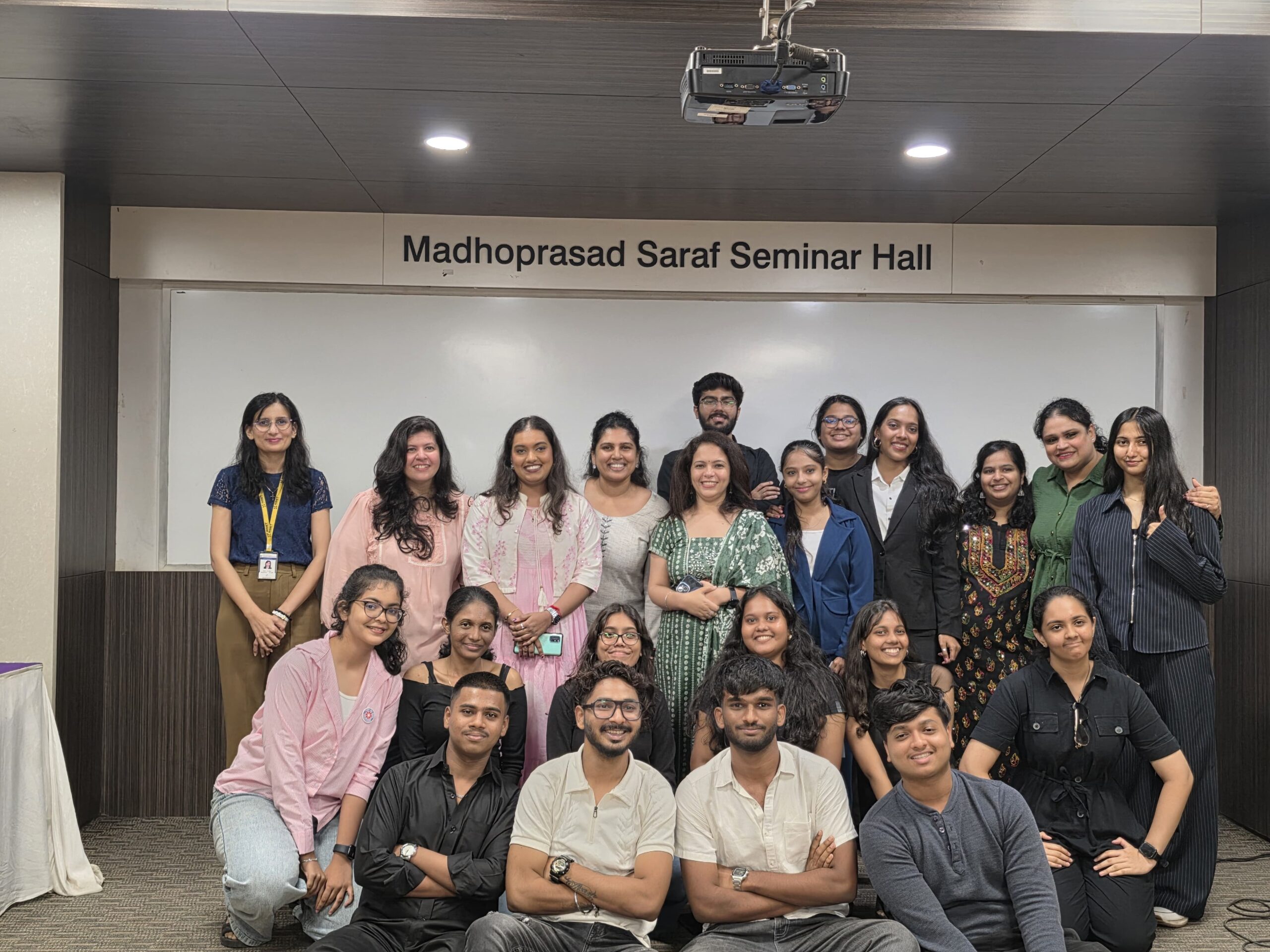
The cumulative impact of these 111 activities has been profound and far-reaching. Students who participated in NSS programs demonstrated increased confidence, leadership skills, teamwork, empathy, and social awareness. Communities benefited from greater awareness regarding health, hygiene, environmental sustainability, inclusivity, and personal safety, while the institution strengthened its reputation as a socially conscious and community-oriented educational establishment.
Despite challenges such as resource limitations, logistical coordination, and adapting activities during periods of public health restrictions, the NSS unit displayed remarkable resilience, dedication, and innovation in carrying out its initiatives successfully. The unwavering support of faculty coordinators, combined with the enthusiasm and commitment of student volunteers, ensured the smooth execution and impact of these programs.
The collective journey represented through these 111 NSS activities stands as a powerful testament to the transformative potential of youth engagement and community service. The blood donation drives reflected the values of humanity and compassion, the beach clean-up campaigns demonstrated environmental stewardship and collective action, the sign language workshop and auditory-challenged school visits promoted inclusivity and empathy, while initiatives such as menstrual literacy, good touch and bad touch awareness, and Mpox campaigns addressed critical social and health concerns with sensitivity and responsibility. Together, these efforts highlight the NSS unit of Deviprasad Goenka Management College of Media Studies as a beacon of meaningful social engagement, responsible citizenship, and youth-led positive change.
Lorem ipsum dolor sit amet, consectetur adipiscing elit, sed do eiusmod tempor incididunt ut labore et dolore magna aliqua. Ut enim ad minim veniam, quis nostrud exercitation ullamco laboris nisi ut aliquip ex ea commodo consequat. Duis aute irure dolor in reprehenderit in voluptate velit esse cillum dolore eu fugiat nulla pariatur. Excepteur sint occaecat cupidatat non proident, sunt in culpa qui officia deserunt mollit anim id est laborum.
Sed ut perspiciatis unde omnis iste natus error sit voluptatem accusantium doloremque laudantium, totam rem aperiam, eaque ipsa quae ab illo inventore veritatis et quasi architecto beatae vitae dicta sunt explicabo. Nemo enim ipsam voluptatem quia voluptas sit aspernatur aut odit aut fugit, sed quia consequuntur magni dolores eos qui ratione voluptatem sequi nesciunt. Neque porro quisquam est, qui dolorem ipsum quia dolor sit amet, consectetur, adipisci velit, sed quia non numquam eius modi tempora incidunt ut labore et dolore magnam aliquam quaerat voluptatem. Ut enim ad minima veniam, quis nostrum exercitationem ullam corporis suscipit laboriosam, nisi ut aliquid ex ea commodi consequatur
But I must explain to you how all this mistaken idea of denouncing pleasure and praising pain was born and I will give you a complete account of the system, and expound the actual teachings of the great explorer of the truth, the master-builder of human happiness. No one rejects, dislikes, or avoids pleasure itself, because it is pleasure, but because those who do not know how to pursue pleasure rationally encounter consequences that are extremely painful. Nor again is there anyone who loves or pursues or desires to obtain pain of itself, because it is pain, but because occasionally circumstances occur in which toil and pain can procure him some great pleasure. To take a trivial example, which of us ever undertakes laborious physical exercise, except to obtain some advantage from it? But who has any right to find fault with a man who chooses to enjoy a pleasure that has no annoying consequences