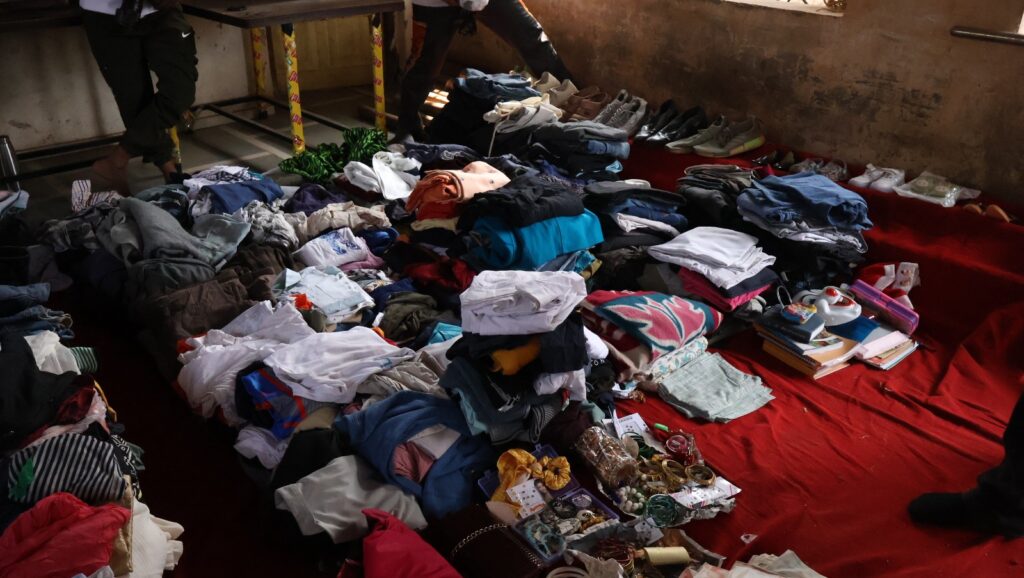
There are certain experiences in life that stay with us long after they have ended. They become stories we revisit, lessons we carry forward, and memories that continue to inspire us. For the volunteers of NSS Unit SB-22 of Deviprasad Goenka Management College of Media Studies, the 7 day Residential Camp held from 25th January to 31st January 2026 at the Yusuf Meherally Centre in Panvel was one such unforgettable experience. It was not just a camp; it was a journey of self-discovery, community service, learning, friendship, and personal transformation.
Organized under the banner of the National Service Scheme (NSS), the camp brought together a group of enthusiastic students who left behind the comfort of their daily routines to immerse themselves in a week dedicated to social service and experiential learning. Over the course of seven days, the volunteers explored new skills, connected with local communities, learned valuable life lessons, and strengthened their commitment to the NSS motto, “Not Me, But You.”
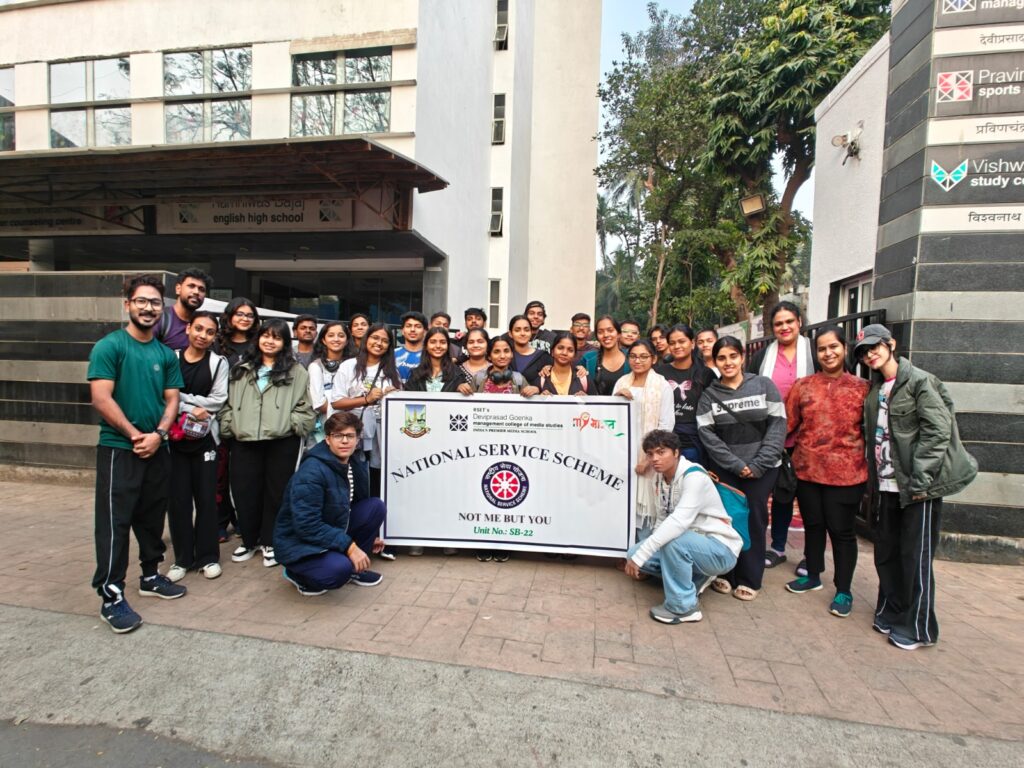
The journey began early on the morning of 25th January 2026. Students arrived at the college campus filled with excitement, curiosity, and a little nervous anticipation. Bags were packed, donations had been collected, and everyone was eager to begin a new adventure.
After a brief orientation and instructions from the Programme Officer and camp leaders, the volunteers boarded the bus heading toward Panvel. The journey itself became an opportunity for students to bond, share stories, and build friendships. Laughter echoed through the bus as students looked forward to the experiences awaiting them.
Upon reaching the Yusuf Meherally Centre, the volunteers were welcomed by the serene natural surroundings that would become their home for the next week. The peaceful environment immediately created a sense of calm, far removed from the noise and fast pace of city life.
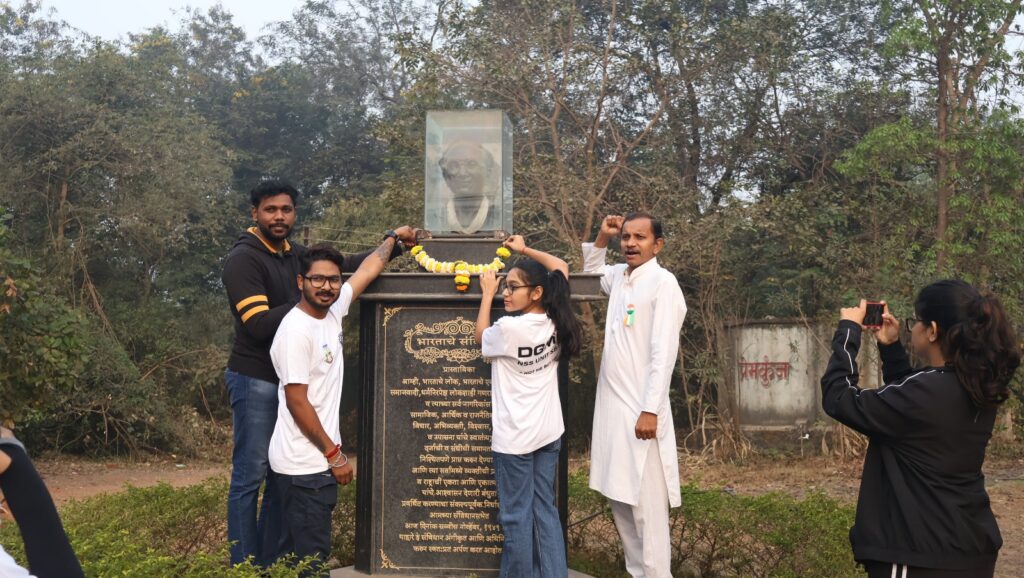
The day included an informative session conducted by Mr. Devidas Patil, who introduced the volunteers to the history and significance of the National Service Scheme, citizenship responsibilities, and constitutional values. Students also visited Bapu Kutti, a space dedicated to preserving the teachings and ideals of Mahatma Gandhi. Listening to stories about Gandhi’s life encouraged participants to reflect on values such as humility, service, truth, and non-violence.
The evening brought everyone together through community cleaning activities and a lively cultural program. Students sang songs, recited poetry, danced, and performed skits. What began as a group of individuals quickly started transforming into a close-knit community united by a common purpose.
The second day of the camp was especially meaningful as it coincided with Republic Day. The morning began with patriotic fervor as volunteers participated in a parade and attended speeches that highlighted the significance of India’s Constitution and democratic principles.
The celebrations were not merely ceremonial. Students actively engaged in discussions about their role as responsible citizens and reflected on the values that shape the nation. Activities such as poster-making competitions and group presentations encouraged participants to think critically about topics related to constitutional rights, responsibilities, and national development.
One of the key themes explored during the day was personal safety and awareness. Through collaborative discussions and presentations, volunteers exchanged ideas about creating safer and more inclusive communities. These activities reinforced the idea that nation-building is not solely the responsibility of leaders and policymakers but also of young citizens who are willing to contribute positively to society.
The day ended with reflection sessions, where students recorded their thoughts and experiences in personal diaries, a practice that continued throughout the camp.
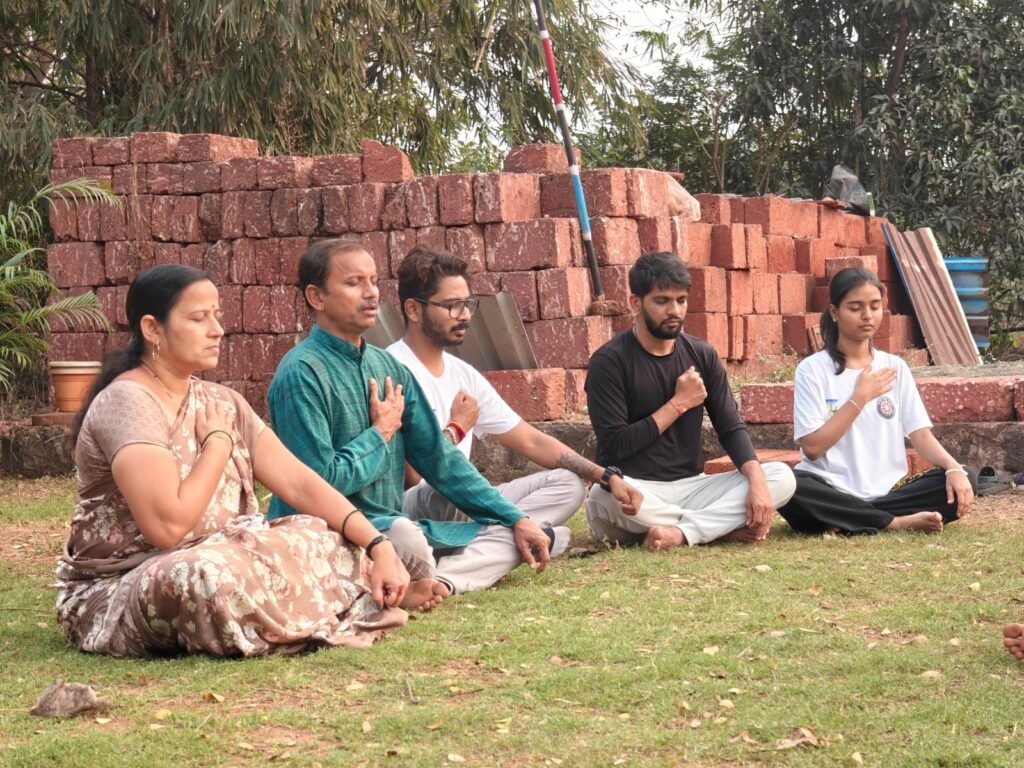
By the third day, volunteers had settled into a healthy and disciplined routine. The morning began with a walk, stretching exercises, and yoga. For many students accustomed to hectic schedules, these activities offered a refreshing start to the day and highlighted the importance of physical and mental well-being.
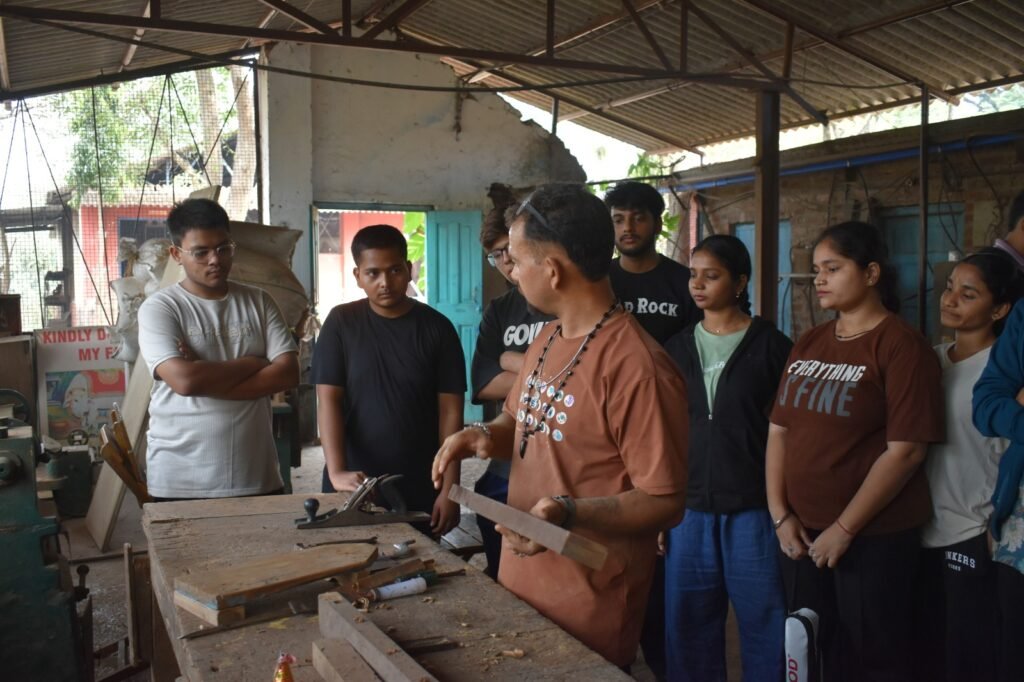
The day was dedicated to exploring sustainable development and rural entrepreneurship. Students visited various facilities within the centre, including the carpentry workshop, pottery unit, soap and oil manufacturing section, herbal gardens, and biogas production site.
These visits provided valuable insights into environmentally sustainable practices and self-reliant community development. Volunteers witnessed firsthand how simple innovations and local resources can be used to create livelihood opportunities while promoting environmental conservation.
A particularly memorable experience was the Warli art workshop. Students learned about the history and cultural significance of this indigenous art form and tried creating their own Warli-inspired artwork. The session fostered creativity while helping participants appreciate India’s rich cultural heritage.
The day concluded with a special ceremony recognizing volunteers who had completed 240 hours of NSS service. Their dedication served as an inspiration to younger volunteers and reminded everyone of the long-term impact of consistent community engagement.
The fourth day focused on hands-on learning and community interaction. Following the morning routine, students participated in sessions where they learned NSS songs and engaged in team-building exercises that strengthened unity among the group.
One of the highlights of the day was the pottery workshop. Working with clay was both challenging and therapeutic. Students discovered that creating something meaningful requires patience, focus, and perseverance. Many found the experience deeply satisfying, especially when they saw their efforts take shape.
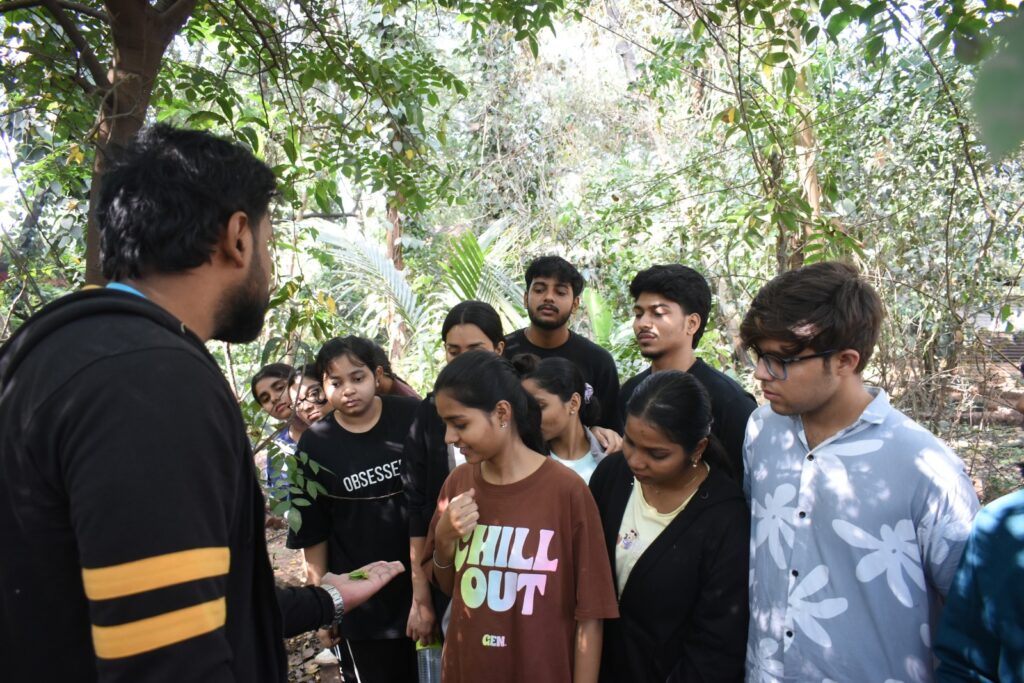
The visit to the herbal garden provided another enriching learning opportunity. Students were introduced to various medicinal plants and learned how traditional knowledge continues to play an important role in healthcare practices. However, the most impactful part of the day was the visit to Lahuchi Vadi. Carrying donations collected before the camp, volunteers interacted with local residents and spent time with children from the community.
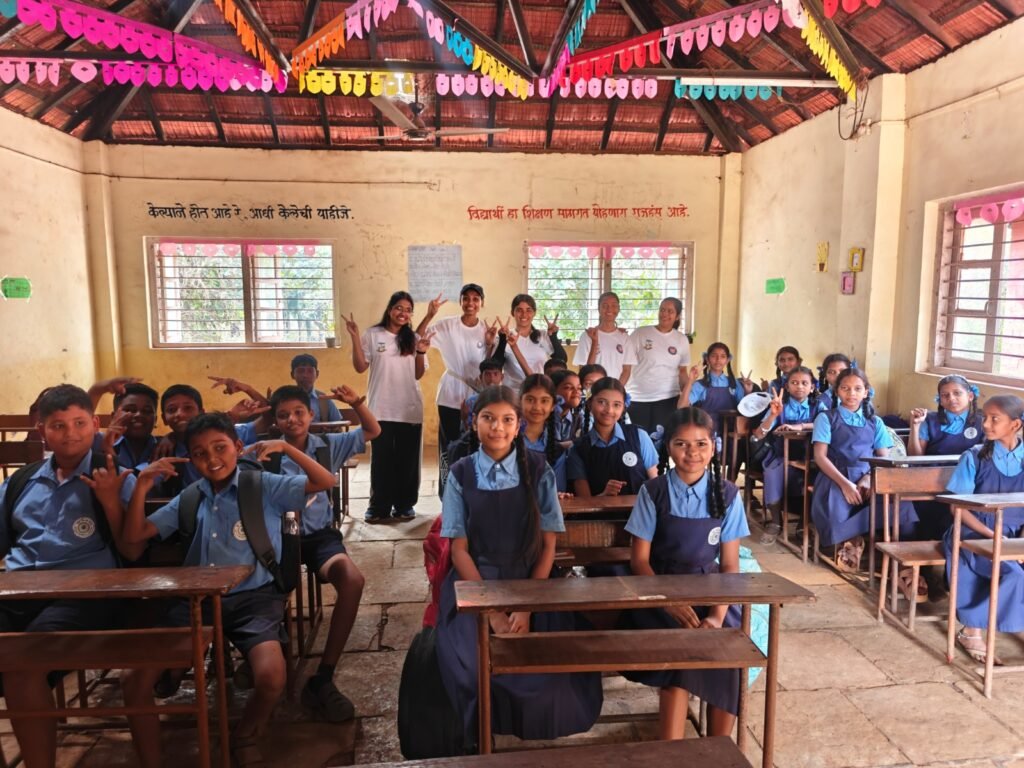
The experience went far beyond simply distributing materials. Students played games with children, listened to stories from community members, and shared moments of laughter and joy. These interactions helped break social barriers and foster genuine human connections. Volunteers realized that service is not only about providing assistance but also about understanding, empathy, and building relationships.
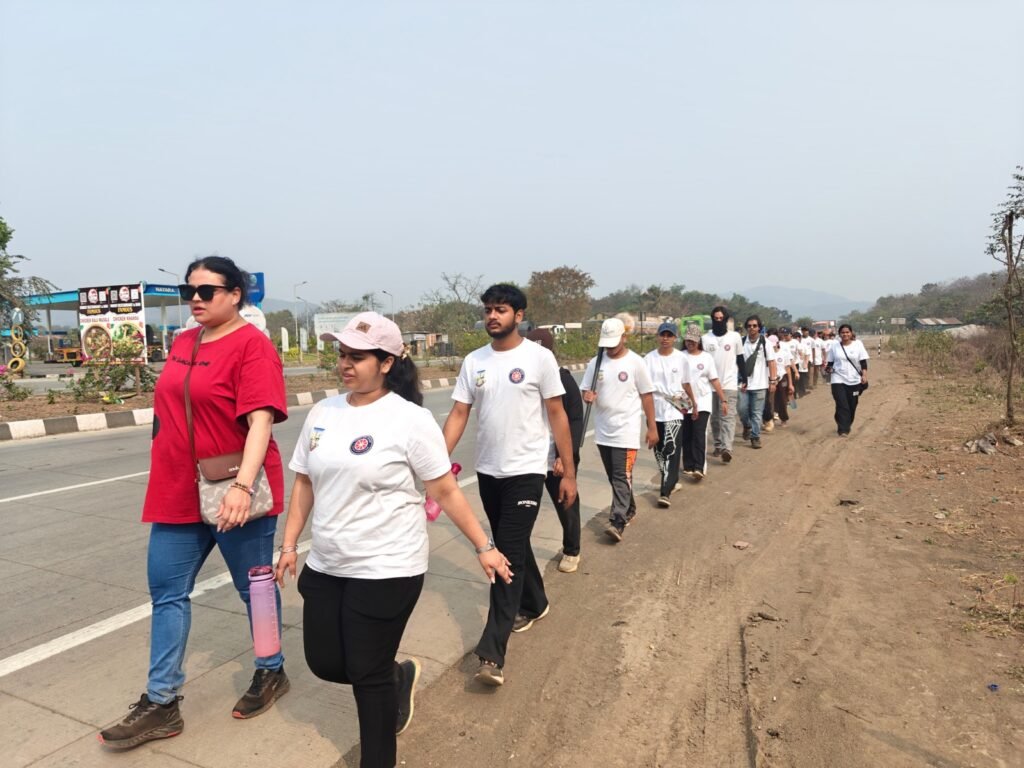
Day five combined adventure, teamwork, and social responsibility. After meditation and warm-up exercises, the volunteers embarked on a trek to Banubai Chi Wadi.
The trek challenged students physically while rewarding them with beautiful views and moments of reflection. Away from mobile phones and daily distractions, participants found themselves appreciating nature and the simple pleasure of being present in the moment.
Following the trek, the volunteers immediately shifted their focus to community service. They cleaned a public hall, organized donation activities, and engaged with villagers. Through conversations with local residents, students gained valuable insights into rural life and the challenges faced by different communities.
These interactions helped volunteers develop a broader understanding of society and reinforced the importance of empathy and active citizenship. The evening was spent participating in recreational activities and team games, further strengthening friendships among the volunteers.
The sixth day focused on education and leadership. Volunteers visited a girls’ hostel where they conducted English language sessions aimed at improving communication skills and self-confidence.
The students taught basic conversational English, professional introductions, and social etiquette. What seemed like a simple activity quickly became a meaningful exchange of knowledge and encouragement. The volunteers realized that even small educational interventions can have a lasting impact on someone’s confidence and future opportunities.
Later in the day, participants gathered at Bapu Kutti to commemorate the death anniversary of Mahatma Gandhi. Through speeches and discussions, they reflected on Gandhi’s enduring message of peace, truth, and selfless service.
As the evening approached, emotions began to run high. A bonfire gathering brought everyone together for one final celebration. Students shared memories, expressed gratitude, and reflected on the lessons they had learned throughout the week. Special recognition was given to senior volunteers who were completing their final year in NSS.
The farewell was emotional, filled with laughter, tears, hugs, and promises to stay connected. The bonds formed during the camp had grown stronger than anyone anticipated. The final day arrived much sooner than anyone expected. As students packed their belongings and prepared to leave, there was a shared feeling that the week had passed too quickly.
After breakfast and a final gathering, volunteers collected the pottery items they had created earlier in the camp and began their journey back home. The train ride to Mumbai became one last opportunity to celebrate the friendships and experiences that had defined the week.
Songs were sung, photographs were shared, and conversations flowed effortlessly as students reflected on their favourite moments. Although the camp had come to an end, the memories and lessons would remain with them forever.
The NSS Residential Camp 2026 was much more than a seven-day event. It was a transformative experience that encouraged students to step outside their comfort zones and engage meaningfully with the world around them.
Through community service, cultural activities, educational initiatives, environmental awareness programs, and interactions with local communities, volunteers developed essential life skills such as leadership, teamwork, communication, empathy, resilience, and social responsibility.
Most importantly, the camp reminded every participant that true growth happens when we learn to serve others. It demonstrated that even small acts of kindness and dedication can create meaningful change in society.
As the volunteers returned home, they carried with them not only photographs and souvenirs but also stronger friendships, valuable life lessons, and a renewed commitment to making a positive difference in the lives of others. The seven days spent at the Yusuf Meherally Centre may have come to an end, but the spirit of service, learning, and togetherness that defined the camp will continue to inspire them for years to come.
The NSS Residential Camp 2026 was not just a journey to Panvel, it was a journey toward becoming more compassionate, responsible, and socially conscious individuals. And that is a journey that will continue long after the camp itself has ended.